Vikings
People, voyages, trade, settlements and everyday life.
Archive growingThe Old Code / Knowledge archive
A growing field guide to Viking-age culture, runes, Norse symbols, mythology and the living northern imagination.
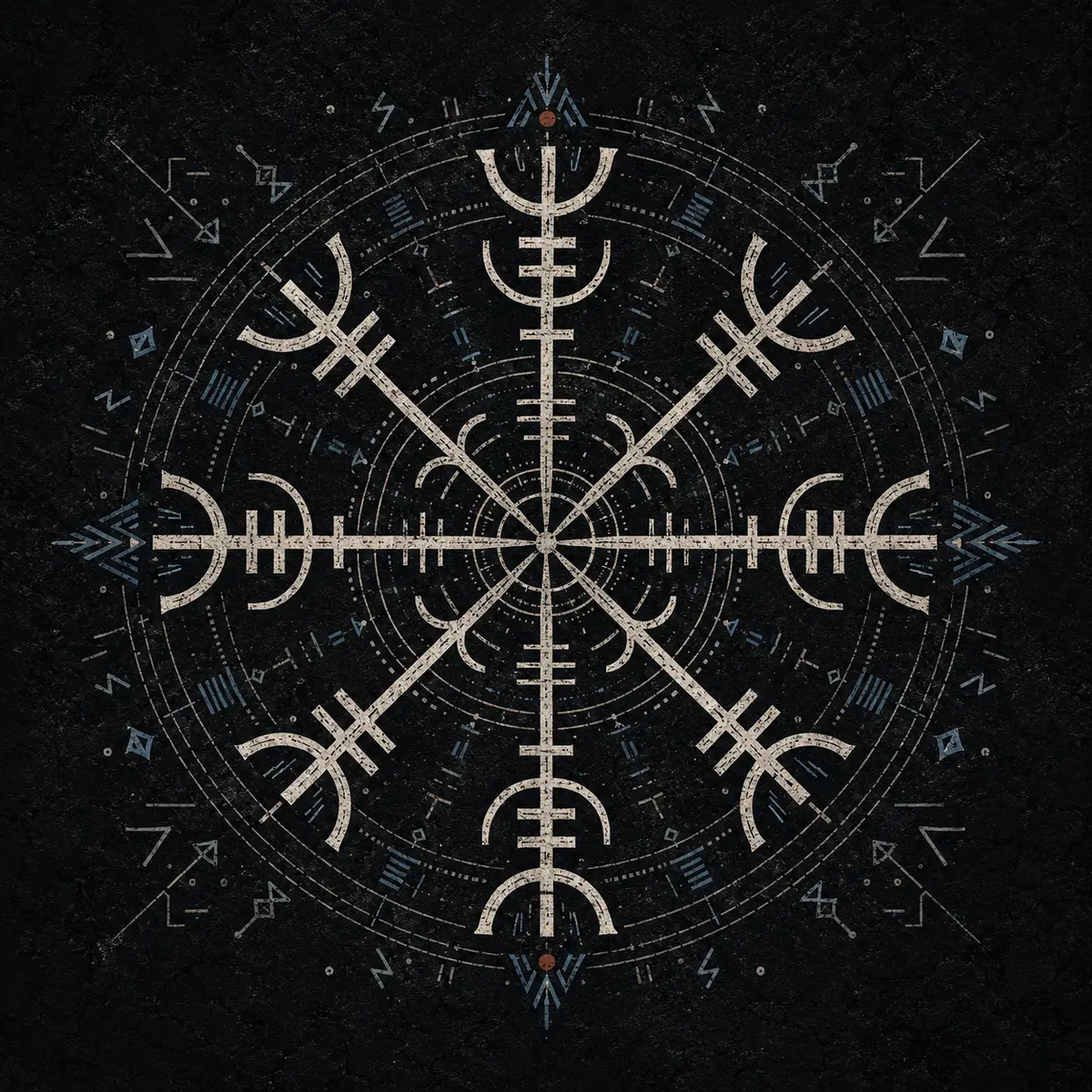 Context over costume.
Five paths into the archive
People, voyages, trade, settlements and everyday life.
Archive growingThe Elder Futhark, inscriptions and modern misunderstandings.
Archive growingHistorical context before modern interpretation.
Archive growingGods, beings, poems and the worlds of Norse tradition.
Archive growingLandscape, craft, customs and the northern inheritance.
Archive growingThe Old Code / Lessons 01–28
Beyond the warrior stereotype: people, work, travel and identity.
5 min read → 02 / ChronologyWhy historical dates differ and why an age never ends overnight.
7 min read → 03 / OriginsBeyond Lindisfarne: ships, trade, ambition and opportunity.
7 min read → 04 / SocietyPower, freedom, labour and inequality in the Viking world.
7 min read → 05 / Daily lifeThe everyday labour that supported ships, towns and rulers.
7 min read → 06 / Ships & seafaringThe famous longship was only one part of a specialised maritime system built for warfare, cargo, fishing and settlement.
8 min read → 07 / Raids & settlementSome Scandinavian expeditions grew from seasonal attacks into mobile wintering communities, political armies and permanent settlements.
8 min read → 08 / Trade & silverTrading towns, cargo ships and silver weighed on scales connected Scandinavia with Europe, Byzantium and the Islamic world.
9 min read → 09 / Religion & ritualBefore the myths were written down, belief lived through local customs, offerings, feasts and relationships with sacred places.
9 min read → 10 / Gods & beliefThe Norse gods belonged to a network of family, conflict and exchange—not a tidy list in which every deity controlled one subject.
9 min read → 11 / CosmologyYggdrasil connects a living mythic cosmos, but the surviving sources do not give us one authoritative map or agreed list of nine worlds.
9 min read → 12 / Death & afterlifeValhalla belonged to selected battle-dead, while Norse traditions imagined several destinations and continuing relationships with graves and ancestors.
9 min read → 13 / RagnarökRagnarök is not only the death of gods and collapse of order. The surviving sources also describe a renewed earth, returning life and a future beyond destruction.
9 min read → 14 / The EddasThe Poetic Edda preserves anonymous poems, while Snorri's Prose Edda explains myth and skaldic language. Both were written down in Christian medieval Iceland.
10 min read → 15 / Icelandic SagasThe sagas preserve names, landscapes and social memory, but their Viking Age stories were shaped into literature centuries after the events.
10 min read → 16 / ArchaeologyObjects, graves and buildings reveal the material Viking Age—but preservation, excavation and interpretation shape the picture we reconstruct.
10 min read → 17 / Modern ReinventionThe horned Viking was built by later centuries from older objects, Romantic art, theatrical costume and a modern appetite for instant symbols.
10 min read → 18 / Symbol TimelineMjölnir, the triangle motif called Valknut and Vegvísir come from different evidence, periods and levels of historical certainty.
11 min read → 19 / Living TraditionHeathenry and Ásatrú draw on pre-Christian Germanic traditions, but they are modern religions shaped by incomplete sources and present-day lives.
11 min read → 20 / Runic SystemsThe famous 24-rune Elder Futhark predates the Viking Age. Viking Age Scandinavians usually wrote with a 16-rune Younger Futhark.
10 min read → 21 / Public MemoryRunestones made family memory visible beside roads and bridges. They named the dead—but did not necessarily mark their graves.
10 min read → 22 / Runic WritingA modern name does not have one automatic Viking spelling. The honest process begins with pronunciation, period and a declared set of rules.
10 min read → 23 / Runic MagicSome runic inscriptions were ritual or protective, but most were ordinary writing—and modern rune casting is a later interpretive practice.
10 min read → 24 / BindrunesHistorical bindrunes joined letters as ligatures. Modern personal bindrunes can be meaningful designs—but they are contemporary creations.
9 min read → 25 / Cipher RunesCipher runes transformed the ordered futhark into numerical clues used for challenge, display, education and sometimes secrecy.
10 min read → 26 / Rune PoemsRune poems preserve names and poetic reflections on runes, but modern one-word meanings simplify several different medieval traditions.
10 min read → 27 / MjölnirThor's hammer was a mythic weapon, a ritual and protective emblem, and one of the clearest material symbols of Viking Age religion.
10 min read → 28 / ValknutThe three-triangle motif is historical, but its familiar name and most confident explanations belong to later interpretation.
10 min read →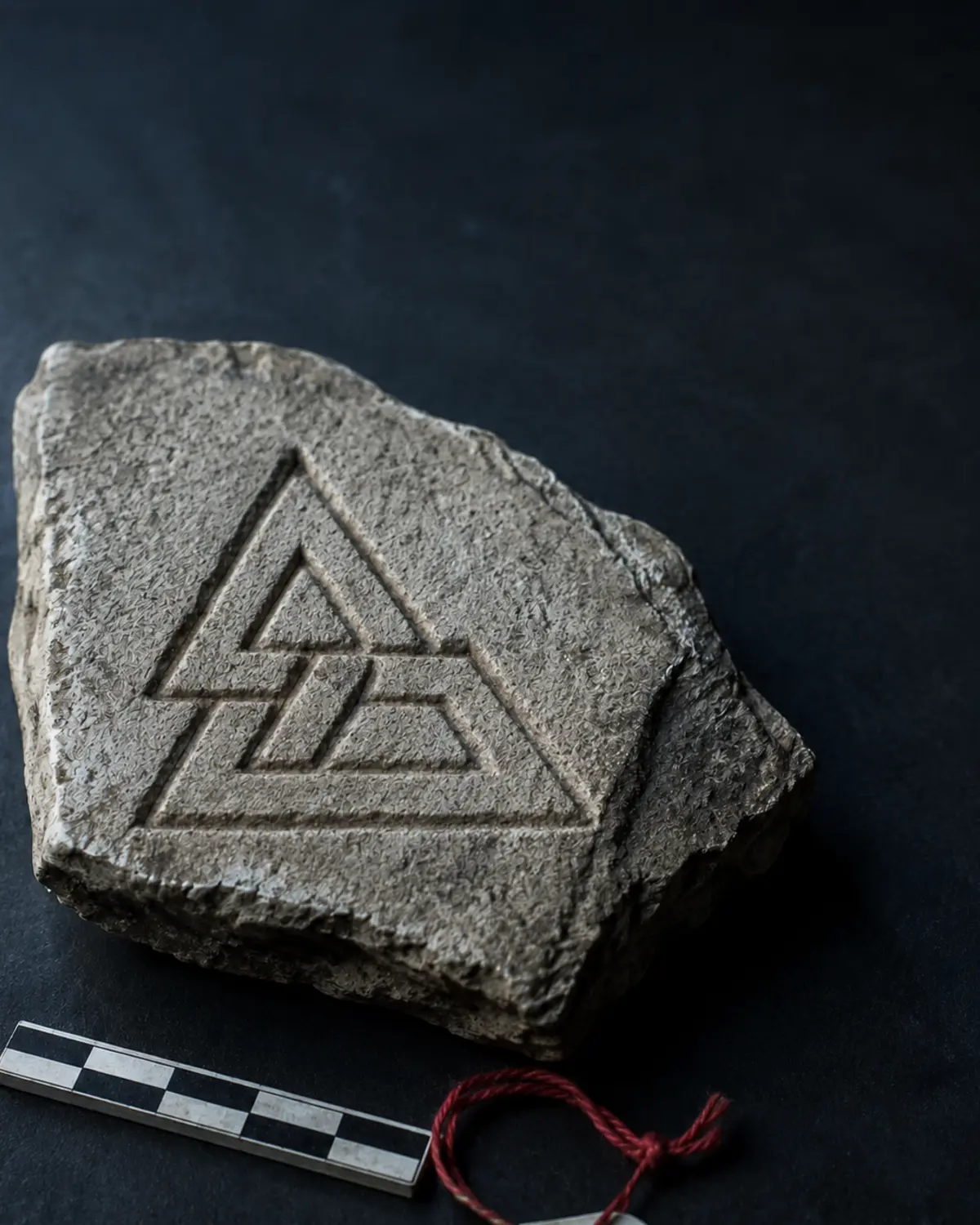
Lesson 28 / Norse Symbols
The three-triangle motif is historical, but its familiar name and most confident explanations belong to later interpretation.
Read the latest lesson → Lesson 27 — Mjölnir: Thor's Hammer in Myth and Archaeology →